More Than a Latte: The Asian-American Café Owners Turning Coffee Shops into Cultural Living Rooms
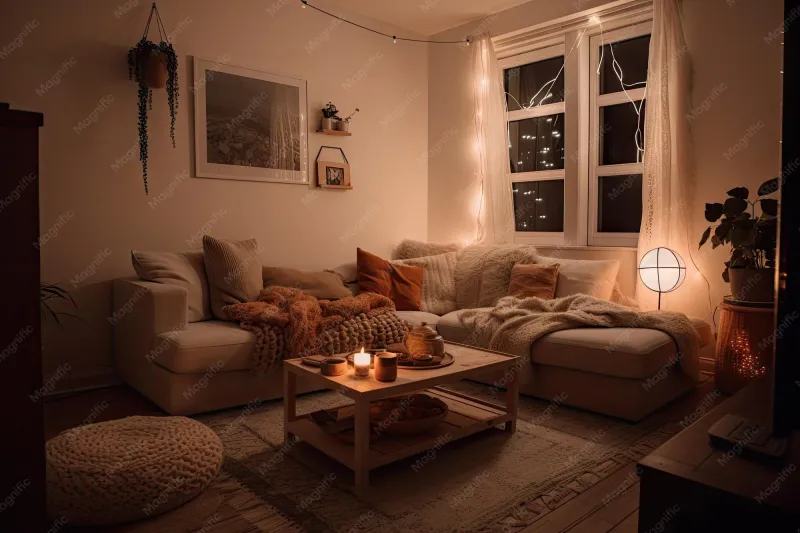
Photo: cozy anime themed coffee shop interior manga shelves matcha latte, via img.freepik.com
There's a coffee shop in Los Angeles where the menu is organized by anime arc. Another in New York where the back wall is floor-to-ceiling manga volumes you can pull down and read while you nurse your hojicha latte. In Chicago, a spot run by a second-gen Korean-American owner hosts monthly cosplay meetups where the dress code is encouraged but never required, and the vibe lands somewhere between community center and fever dream in the best possible way.
These aren't novelty pop-ups or Instagram traps designed to disappear after the hype cycle ends. They're real businesses, built with real intention, by Asian-American entrepreneurs who saw a gap between the places they wanted to exist and the places that actually did. And in filling that gap, they've accidentally — or maybe very deliberately — created something the broader culture has been craving without quite knowing what to call it.
The Third Space Problem (And Its Solution)
Urban sociologists have been talking about "third spaces" for decades — the places that aren't home and aren't work, where community actually forms. Bars used to fill this role. Churches still do for some people. But for a generation of young Americans who don't drink, don't identify with traditional religious institutions, and are increasingly priced out of city life in general, the third space has become harder to find.
For Asian-American Gen Z in particular, there's an added layer of complexity. The mainstream third spaces on offer — sports bars, brunch spots, the standard indie coffee shop with its carefully curated Spotify playlist and oat milk — don't always feel like places built with them in mind. The cultural references don't land. The aesthetic doesn't resonate. The crowd doesn't reflect their world.
Enter the themed café. Not the novelty cat café (though those have their place), but the thoughtfully designed, community-oriented space that wears its cultural influences openly and invites people in on those terms.
What These Spaces Actually Look Like
The aesthetic range is wider than you might expect. Some lean heavily into specific anime fandoms — walls covered in fan art, seasonal menus tied to new releases, staff who can hold their own in a conversation about the latest arc of whatever's currently running on Crunchyroll. Others take a more pan-Asian pop culture approach: K-pop playing at the right volume, shelves mixing manga with manhwa and webtoon print editions, a general sensibility that says we know what you're into and we're into it too.
The food and drink menus are their own kind of statement. Matcha in its many forms — lattes, soft serve, tiramisu, boba variations — has become almost a baseline offering, but the more interesting spots are pushing further. Ube everything. Pandan-infused syrups. Mochi waffles. Yuzu lemonade. These menus aren't just fusion for fusion's sake; they're a deliberate centering of flavors and ingredients that Asian-American customers grew up with, presented in formats that work for a café setting.
The manga library element deserves its own attention. Several of these spaces have built out serious collections — hundreds of volumes, organized by genre, available to read in-house. In an era where everything is digital and streamed, there's something genuinely countercultural about a physical library of printed manga that you can sit with for an afternoon. It slows people down. It creates a reason to stay. And it builds the kind of ambient community that forms when strangers are all quietly absorbed in the same kind of story.
The Owners Behind the Vision
The entrepreneurs running these spaces tend to have stories that sound variations on the same theme: a lifelong love of anime, manga, or Asian pop culture; a background that didn't offer obvious pathways into the entertainment or creative industries; and a pivot moment where the question shifted from how do I break into this world to how do I build the space where this world lives?
Many are second-generation immigrants who grew up code-switching between the cultural world of their parents and the mainstream American context they navigated at school. These cafés often feel like physical manifestations of that in-between space — places where both worlds are welcome, where you don't have to choose.
The business model is genuinely innovative in ways that go beyond the menu. Events are a major revenue stream and community driver: trivia nights built around specific anime series, art shows featuring local Asian-American illustrators, pop-up vendor markets where small creators can sell prints and handmade goods. Some spaces offer memberships that give regulars access to extended hours, exclusive menu items, or priority spots at events. Others have leaned into content creation, building social followings that function as marketing engines and community spaces simultaneously.
The Cosplay Factor
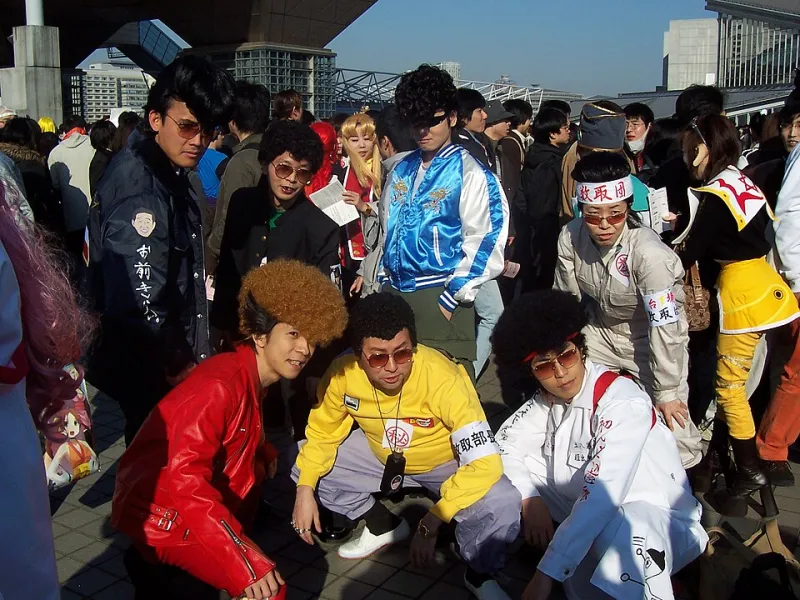
One of the more unexpected elements of this café culture is how many of these spaces have become de facto cosplay-friendly zones. Not in the sense that cosplay is required or even always present — but in the sense that showing up in costume is explicitly welcomed, photographed with enthusiasm, and never treated as weird.
This matters more than it might sound. Cosplay has historically existed in specific contained spaces: convention floors, dedicated events, online communities. Bringing it into a café setting — a mundane, everyday kind of space — normalizes it in a way that conventions never quite can. It says that this expression of fandom and creativity belongs in regular life, not just in designated geek spaces.
For Asian-American cosplayers specifically, who often navigate complicated questions about representation (who gets to cosplay whom, how Asian features read in costumes designed around animated aesthetics), having a space run by people who understand those nuances without needing them explained is genuinely meaningful.
Beyond the Aesthetic: What's Actually Being Built
It would be easy to frame these cafés purely as aesthetic projects — beautiful spaces with good drinks and a cool vibe. And they are that. But the owners who are doing this most thoughtfully are building something with more structural ambition.
Several have become informal incubators for Asian-American creative talent. Artists get wall space. Musicians get gig opportunities. Small brands get shelf space to test products with an aligned audience. Zine makers and small press publishers find readers. The café becomes a node in a broader creative ecosystem that doesn't have many other anchor points.
There's also a mentorship dimension emerging organically. Younger entrepreneurs — people who want to open their own spaces, start their own brands, build their own creative businesses — are finding community and guidance in these environments. The owners, many of whom figured things out without much of a roadmap, are increasingly aware that they're now part of someone else's roadmap.
The Vibe Is the Point
At the end of the day, what makes these spaces work isn't any single element — not the manga library, not the matcha menu, not the anime wall art. It's the cumulative effect of a space that was designed by people who genuinely love this culture, for people who genuinely love this culture, without apology or explanation required.
That feeling of not having to justify your enthusiasms, of walking into a room where your references land and your aesthetic is understood — it's harder to manufacture than any latte art. And the Asian-American entrepreneurs building these spaces have figured out that when you get it right, people don't just visit once. They come back every week. They bring their friends. They make it their place.
Which is exactly what a third space is supposed to be.