Sheet Masks and Shelf Space: How Asian Beauty Brands Quietly Took Over the American Skincare Aisle
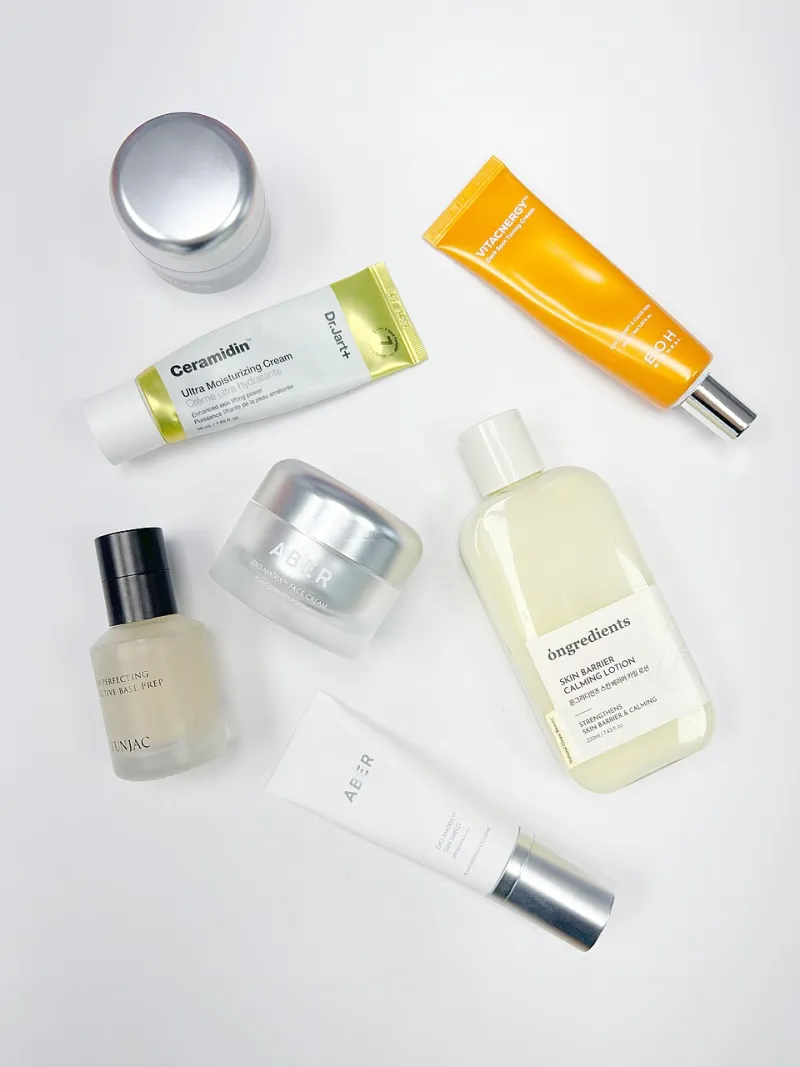
Photo: Jmh65890, CC0, via Wikimedia Commons
Walk the skincare aisle of your local CVS and something hits you: Cosrx. Laneige. Innisfree. Hada Labo. Nestled between the Neutrogena and the Olay, Korean and Japanese beauty brands aren't just showing up anymore — they're taking up real estate, moving serious product, and making Western beauty companies sweat a little. This wasn't some overnight algorithm moment. It was a slow, community-powered, ingredient-obsessed revolution.
From Reddit Threads to Retail Shelves
Before Laneige Water Sleeping Mask landed on Sephora's bestseller list, it was a cult obsession whispered about in r/AsianBeauty forums and passed between friends in Korean-American households. The brand's journey into mainstream American retail is a case study in how niche becomes normal.
"My mom always had Hada Labo in the bathroom growing up," says Mina, a 24-year-old from the LA area. "I just thought it was a Japanese thing. Now my non-Asian friends are asking me where to get it. It's kind of surreal."
That shift from diaspora staple to mainstream obsession tracks with a broader cultural moment — one where Gen Z consumers are increasingly skeptical of legacy beauty marketing and hungry for products that actually explain themselves. And Asian skincare brands, particularly Korean ones, have always been fluent in that language.
The Ingredient Transparency Era
Ask a dermatologist why K-beauty and J-beauty have gained so much traction, and they'll almost always circle back to ingredients. Dr. Sarah Yoon, a board-certified dermatologist based in New York, puts it plainly: "These brands were talking about niacinamide, centella asiatica, and hyaluronic acid long before Western brands made them buzzwords. They weren't hiding behind vague 'brightening complex' language — they were specific, and that builds trust."
Cosrx's Snail Mucin Essence, for instance, sounds bizarre on paper. But once people understood what it actually did — supporting skin barrier repair, reducing redness — it became a phenomenon. The brand leaned into education rather than aspirational fantasy, and that clicked with a generation raised on ingredient-decoding TikToks and skincare Reddit deep dives.
Japanese brands, meanwhile, have long held a reputation for rigorous formulation. Hada Labo's hyaluronic acid toners and SK-II's Pitera-based serums carry a kind of quiet authority — the sense that they've been refined over decades for people who take skin health seriously, not just aesthetics.
Marketing That Didn't Try Too Hard
Here's the thing: a lot of Asian skincare brands didn't storm the US market with massive ad campaigns. They grew through community. Through haul videos. Through "holy grail" lists shared on Vogue Korea fan accounts. Through Korean drama fans noticing the skin of their favorite actors and asking what are they using.
Jenny Park, co-founder of Soko Glam — one of the first US platforms dedicated to curating K-beauty — has watched this evolution firsthand. "When we started, we had to explain to people what double cleansing even meant," she's said in past interviews. "Now those same concepts are on the back of Western brand packaging."
That grassroots momentum gave Asian beauty brands something money can't easily buy: credibility. When something goes viral because a real person swears by it, not because a celebrity got paid to hold it up, the trust factor is completely different.
Social media accelerated everything. TikTok's skincare community — #SkinTok, if you will — has been a launching pad for brands like Some By Mi, Beauty of Joseon, and Torriden. Korean and Japanese brands understood early that short-form content showing real results and real routines was more powerful than glossy campaign imagery.
What Western Brands Are Doing About It
The big players aren't sleeping on this. L'Oréal has made significant acquisitions in the K-beauty space. Estée Lauder deepened its investment in Dr. Jart+. Unilever has been circling the Asian beauty market aggressively. Even drugstore staples like Neutrogena have started releasing products with "inspired by Korean skincare" language — which is either flattery or mild plagiarism, depending on who you ask.
Some Western brands have gone further, reformulating products to align with the lighter-texture, skin-barrier-first philosophy that Asian skincare popularized. You'll notice a lot more gel-cream hybrids, essence-toners, and "barrier repair" positioning on shelves now. That language didn't come from nowhere.
But playing catch-up has its limits. "You can copy the format, but you can't copy the philosophy," says Dr. Yoon. "K-beauty isn't just about products — it's about a whole approach to skincare as self-care and prevention rather than correction. That's harder to manufacture."
The Diaspora Factor
It's worth naming something that often goes underdiscussed in these mainstream trend pieces: the Asian-American community was the original bridge. Korean-American, Japanese-American, and broader Asian diaspora consumers have been buying these products for years — from H-Mart beauty sections, from Korean beauty supply shops, from family members visiting from Seoul or Tokyo and bringing back a suitcase of sheet masks.
These weren't trend-chasers. They were loyal, informed consumers who knew what worked. When the broader American market started paying attention, the infrastructure — the community knowledge, the online forums, the import retailers — was already there.
"Asian-American women have always known," says Mina. "We just didn't get credited for it until it became mainstream. That's kind of how it always goes, right?"
Right.
So What's Next?
The pipeline keeps expanding. Brands like Beauty of Joseon (obsessed with traditional Korean herbal ingredients), Anua (minimalist and deeply effective), and Skin1004 (centella everything) are the current wave crashing onto US shores. Ulta has been quietly expanding its K-beauty section. Amazon's Korean beauty storefronts are booming.
And the conversation is shifting from "K-beauty vs. Western beauty" to something more interesting: a global skincare culture that borrows freely, credits imperfectly, and ultimately makes the whole category better. For consumers, that's mostly a win.
For your skin? Definitely a win. Go find a good snail essence. You'll thank us later.