3 AM Belongs to Us: The Hidden World Asian-Americans Built After Dark
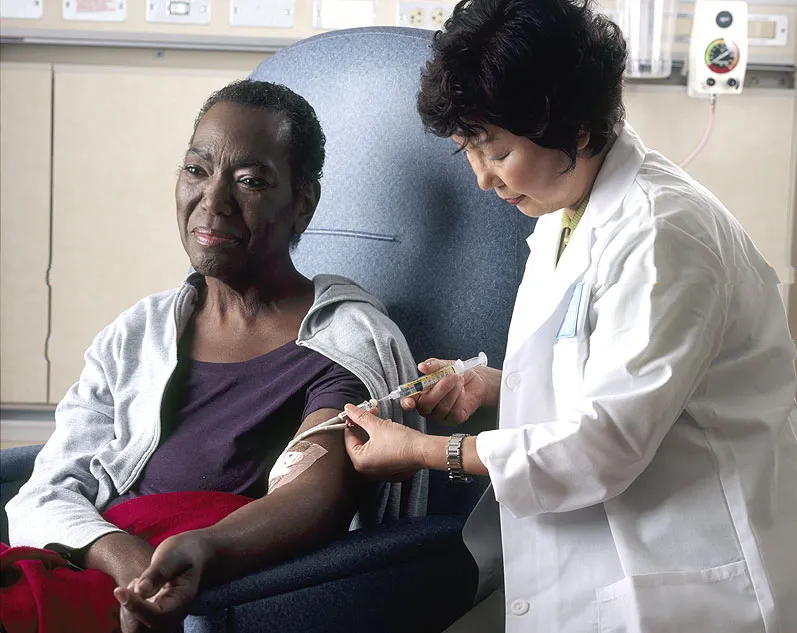
Photo: Rhoda Baer (Photographer), Public domain, via Wikimedia Commons
There's a particular kind of silence that settles over a hospital hallway at 2:47 in the morning. The overhead lights dim to a clinical hush. The day-shift chaos — the family visitors, the administrative shuffle, the relentless beeping of intake — has long since cleared out. And in that stillness, Filipino nurse Maricris Dela Cruz and her coworker Jeanette Tan are splitting a container of leftover adobo someone's lola packed earlier that week, laughing about something that happened in the ER three hours ago.
"That's our dinner table," Maricris says. "The break room at 3 AM. That's where we actually talk."
For millions of Asian-Americans across the country, the overnight shift isn't just a scheduling quirk. It's a whole alternate universe — one with its own rituals, its own social codes, and its own deeply felt sense of community. It's a world that daytime America rarely sees, and honestly? It's been running just fine without the spotlight.
Who's Actually Keeping the Lights On
The numbers tell part of the story. Asian-Americans are significantly overrepresented in several industries that rely heavily on overnight staffing. Healthcare is the most obvious — Filipino nurses alone make up the largest foreign-born nursing group in the United States, and many cluster on night shifts partly due to scheduling hierarchies that favor seniority, and partly because the differential pay helps support families both here and abroad. Korean and South Asian convenience store owners have long been synonymous with the 24-hour hustle. Vietnamese and Chinese workers fill overnight slots in food processing plants and logistics warehouses from the Central Valley to the Midwest.
Then there's the digital economy layer: customer service reps and tech workers syncing their hours to serve clients in Asia, freelancers grinding through American nights to hit deadlines in Seoul or Tokyo. The graveyard shift, for many in this community, isn't an accident. It's a calculated choice, a survival strategy, or simply the lane that was available when they arrived.
Food Is the First Language of the Night
Ask any overnight worker what they miss most about daytime life and they'll probably say something predictable — sunlight, a normal sleep schedule, being awake for their kids' school drop-off. But ask them what they don't miss, and the answer gets interesting fast.
"The food, honestly," says David Nguyen, who manages a 24-hour convenience store in Houston's Midtown neighborhood. "Daytime is rush, rush, rush. Nobody eats properly. At night, we actually cook."
The break room microwave becomes a cultural crossroads after midnight. Thermoses of congee appear. Tupperware lids get peeled back to reveal banchan, curry, leftover bánh mì filling wrapped in foil. In hospital break rooms with higher concentrations of Filipino staff, potluck culture goes fully nocturnal — someone always seems to have brought something, and sharing it is practically mandatory.
This isn't incidental. Food, for many Asian-American communities, is one of the primary ways belonging gets expressed. When you can't gather at a Sunday family dinner or a weekend community cookout because your schedule runs inverse to everyone else's, you reconstruct those rituals in the spaces available. The 3 AM meal becomes the family table.
The Group Chats That Never Sleep
Beyond the physical break room, overnight workers have built sprawling digital communities to match their schedules. WhatsApp groups, Facebook communities, and Discord servers for Filipino healthcare workers, Korean store owners, and South Asian warehouse employees have become lifelines — spaces where people who are awake when the rest of the world isn't can find conversation, advice, and solidarity.
Some of these spaces are practical: shift swap boards, immigration paperwork questions, recommendations for which urgent care clinics are still open at 4 AM. Others are pure connection — memes that only land if you've ever tried to sleep through a loud afternoon, rants about customers who don't understand what "we close at 6 AM" means, or just someone posting that they're bored and does anyone want to talk.
"There's a Facebook group for Fil-Am nurses on night shift," says Jeanette, Maricris's coworker. "It has like 40,000 members. Someone is always posting at 2 in the morning. You never feel alone."
The internet, for all its chaos, has quietly become the town square for people whose town square operates on an entirely different clock.
The Invisible Tax Nobody Talks About
It would be easy to romanticize all of this — and there's genuine warmth in these stories, real community, real joy. But the overnight world also carries real costs that are worth naming directly.
Night shift work is hard on the body. Research consistently links chronic overnight schedules to elevated risks of cardiovascular issues, metabolic disorders, and mental health strain. For workers who are already navigating the pressures of immigration, financial obligation to extended family, language barriers, and a healthcare system that doesn't always see them clearly, those physical tolls compound quickly.
There's also the social isolation that comes with living out of phase with everyone else. Missing school events, birthday dinners, weekend gatherings — the small-but-not-small losses accumulate. "My kids were little when I started nights," says one warehouse supervisor in the San Gabriel Valley who asked not to be named. "I was there every morning when they woke up, but I was exhausted. I was present but I wasn't there. That's hard to explain to people."
The community that forms in the graveyard hours is real and meaningful. But it also exists partly because daytime community isn't fully accessible — and that's worth sitting with.
What the Night Shift Knows
There's something the overnight world understands about resilience that's hard to articulate to people who've never lived it. When you're working a double on New Year's Eve while the city celebrates outside, when you're stocking shelves at 4 AM on Thanksgiving weekend, when you're checking vitals while a patient's family sleeps in the waiting room — you develop a particular relationship with time, with necessity, and with the people standing next to you doing the same thing.
The community that forms isn't built on convenience. It's built on showing up for each other in a margin of the day that most people never see. It's built on shared adobo and WhatsApp threads and the unspoken understanding that you get it because you're living it.
America runs on overnight labor. A significant, underacknowledged slice of that labor is Asian-American. And in the hours when the rest of the country is dreaming, they've built something that looks a lot like home.
The night shift doesn't just belong to them. In a lot of ways, they built it.